Dipladenia plants have become increasingly sought after in British gardens, offering vibrant blooms and elegant foliage that transform patios and borders throughout the warmer months. As gardeners across the United Kingdom explore options for adding tropical flair to their outdoor spaces, understanding the factors that influence the cost of these striking climbers proves essential for making informed purchasing decisions. The market presents a diverse range of specimens, from compact potted varieties to mature climbers, each carrying distinct price points that reflect quality, size, and seasonal availability.
Understanding Dipladenia Varieties and Their Market Value in the UK
Popular Types of Dipladenia: From Mandevilla Sanderi to Climbing Varieties
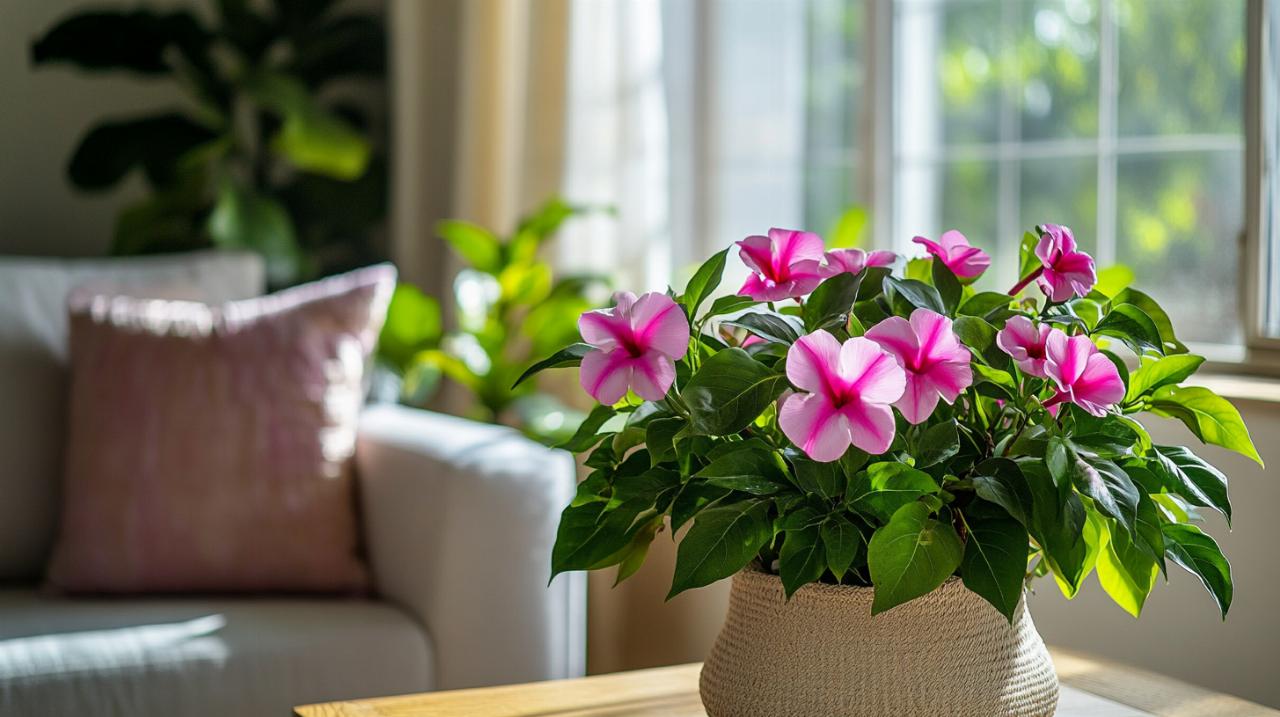
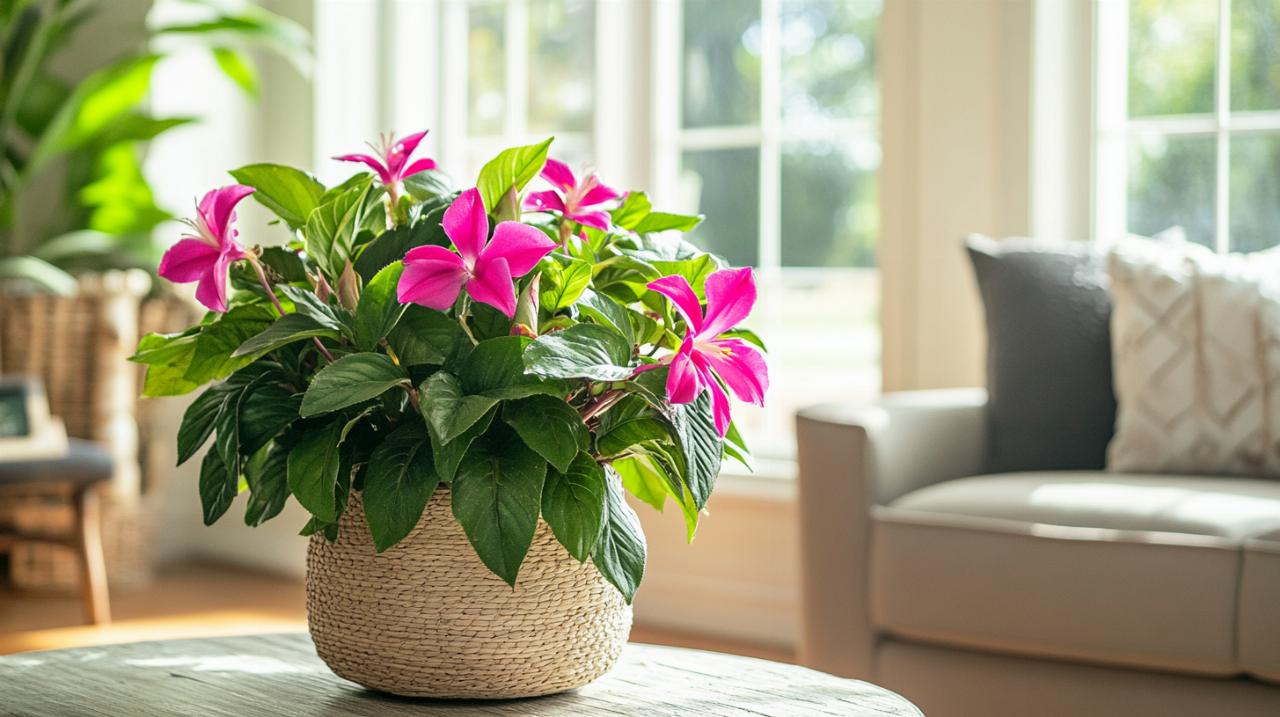
The dipladenia, scientifically known as Mandevilla, encompasses several varieties that have captured the attention of horticulture enthusiasts throughout Britain. Mandevilla sanderi represents one of the most recognisable forms, distinguished by its compact growth habit and profuse flowering capacity. This particular type typically features deep pink or crimson trumpet-shaped blooms that emerge continuously from late spring through early autumn. Garden centres across the UK stock these varieties alongside climbing versions that can reach impressive heights when provided with adequate support structures. The climbing types offer slightly different characteristics, developing longer vines that weave elegantly through trellises and obelisks, creating vertical interest in gardens where space permits creative vertical planting schemes.
Recent innovations in Mandevilla breeding have introduced exciting developments, including the first yellow-flowered Mandevilla known as Diamantina Opal Citrine. This groundbreaking variety represents years of dedicated breeding work, with breeders creating thousands of crosses annually to achieve such distinctive colour variations. The introduction of new varieties through sophisticated breeding programmes has expanded the palette available to British gardeners, though these newer cultivars often command premium pricing due to patent protections and the significant investment required to develop them. Breeder Protector technology has been implemented to guarantee plant authenticity and prevent illegal propagation, ensuring that nurseries supply genuine specimens that meet established quality standards.
How plant quality and maturity influence nursery pricing
The cost of dipladenia plants varies considerably based on several quality indicators that discerning buyers should consider before making a purchase. Younger specimens sold in smaller pots, typically nine-centimetre containers, represent the most economical entry point, generally ranging from five to eight pounds at mainstream garden centres. These starter plants require patience and proper cultivation to reach their full ornamental potential, but they offer budget-conscious gardeners an accessible way to enjoy these tropical beauties. Moving up the scale, two-litre pots containing more established plants with developed root systems and multiple stems typically cost between twelve and twenty pounds, reflecting the additional growing time and resources invested by nurseries.
Premium specimens, particularly those sold in three-litre or larger containers with established climbing frameworks or numerous flower buds, can command prices ranging from twenty-five to forty pounds or more. These mature plants deliver immediate visual impact, having already undergone extensive cultivation periods under controlled conditions. The quality of foliage, absence of pest damage, and vigour of growth all contribute to pricing decisions made by reputable nurseries. Plants showing signs of stress, yellowing leaves, or sparse flowering potential should be avoided regardless of attractive pricing, as compromised specimens rarely recover to achieve the lush appearance expected from healthy dipladenia. Investment in higher-quality plants often proves more economical in the long term, as robust specimens establish more quickly and require less intervention to maintain their ornamental value throughout the growing season.
Seasonal Pricing Trends and Where to Find the Best Value
Spring and Summer Availability: When Prices Peak for Dipladenia Plants
Dipladenia availability in British retail environments follows predictable seasonal patterns that directly influence pricing structures. The period from late March through June represents peak availability, coinciding with increased consumer demand as gardeners prepare outdoor spaces for the warmer months. During this prime selling window, mainstream garden centres typically maintain full stock levels across various pot sizes, though prices often reach their highest points due to robust demand. Many retailers capitalise on the enthusiasm of spring planting by positioning dipladenia prominently near entrances alongside other popular seasonal offerings, maintaining premium price points that reflect both supply costs and anticipated consumer willingness to invest in summer displays.
As summer progresses into July and August, pricing dynamics begin to shift noticeably. Nurseries seeking to clear remaining stock before autumn often implement reductions, particularly for larger specimens that have been in inventory for extended periods. Observant shoppers can secure substantial savings during these clearance periods, though selection becomes more limited and plants may show signs of stress from prolonged retail environments. Early autumn occasionally presents unexpected opportunities, as some garden centres receive final shipments of dipladenia before frost arrives, offering fresh stock at reduced prices to encourage quick turnover. These late-season purchases require careful consideration of whether sufficient warm weather remains for the plants to establish before requiring protection or indoor relocation for overwintering.
Comparing garden centres, online retailers, and independent nurseries
The landscape of dipladenia purchasing options across the United Kingdom presents diverse advantages and considerations depending on the retail channel selected. Large national garden centre chains offer convenience and consistent availability, typically stocking standard varieties at mid-range price points that reflect their operational scale and purchasing power. These establishments provide the benefit of physical inspection before purchase, allowing customers to assess plant health and select specimens showing optimal vigour. However, variety selection at such venues tends towards popular mainstream cultivars rather than specialised or newly developed forms that appeal to collectors and enthusiasts seeking distinctive characteristics.
Independent nurseries, particularly those specialising in tender perennials or exotic plants, frequently offer superior quality and broader variety selections, though at slightly elevated prices that reflect their specialised expertise and smaller operational scale. These establishments often employ knowledgeable staff who provide valuable guidance on cultivation requirements specific to local climate conditions throughout different regions of Britain. The personalised service and access to unusual varieties justify the modest price premium for many gardeners seeking plants that stand apart from standard offerings. Online retailers present a third option, combining competitive pricing with extensive variety selections that surpass typical physical retail locations. Purchasing sight unseen carries inherent risks regarding plant condition upon arrival, though reputable online nurseries implement quality guarantees and careful packaging protocols to ensure specimens reach customers in excellent health. Comparing prices across these different retail channels before making a purchase decision often reveals significant variations, with diligent shoppers potentially saving thirty percent or more by exploring multiple sources before committing to a specific supplier.
Essential care requirements and long-term value considerations
Watering, Sunlight, and Feeding: Maintaining Healthy Growth Throughout the Season
Understanding the care requirements essential for dipladenia success helps gardeners maximise the value of their investment in these tropical specimens. These plants originate from regions characterised by warm temperatures, bright light, and consistent moisture, preferences that must be accommodated in British garden settings to achieve the lush growth and prolific flowering that justify their purchase cost. Positioning dipladenia in locations receiving full sun or bright, indirect light throughout most of the day proves critical, as insufficient light results in weak, elongated growth and disappointing flower production. South-facing patios, conservatories, and sheltered courtyard positions typically provide ideal conditions, though some afternoon shade during exceptionally hot periods prevents stress that can cause flower drop.
Watering practices significantly influence plant health and ornamental performance throughout the growing season. Dipladenia requires consistently moist but never waterlogged soil, a balance that demands attention particularly during warm summer periods when container-grown specimens dry rapidly. Allowing the growing medium to dry slightly between waterings encourages healthy root development, whilst maintaining adequate moisture supports continuous flower production and prevents premature bud drop. Regular feeding with a balanced liquid fertiliser formulated for flowering plants, applied every fortnight from late spring through early autumn, sustains the nutrient demands of vigorous growth and prolific blooming. This feeding regime represents a modest ongoing investment that substantially enhances the ornamental value delivered by these plants, transforming moderate specimens into spectacular displays that justify their initial purchase price through extended seasons of vibrant colour.
Native Origins and Climate Suitability: Ensuring Your Investment Thrives in UK Gardens
Dipladenia species originate from tropical and subtropical regions of Central and South America, environments characterised by warmth, humidity, and protection from frost that differ markedly from typical British climate conditions. This tropical heritage means that dipladenia cannot withstand freezing temperatures, a limitation that requires British gardeners to treat these plants as tender perennials requiring protection during colder months. In most regions of the United Kingdom, dipladenia performs best when grown in containers that can be relocated to frost-free environments such as conservatories, heated greenhouses, or bright indoor locations once autumn temperatures begin declining below ten degrees Celsius. This mobility requirement influences the long-term value proposition, as the same plant can provide years of seasonal enjoyment when properly overwintered rather than being treated as a disposable annual.
Successful overwintering substantially improves the economic value of dipladenia purchases, transforming a twenty-pound investment into a perennial feature that returns year after year with increasingly impressive displays as the plant matures. During winter dormancy, these plants require minimal watering, just enough to prevent complete desiccation of roots, and benefit from cooler temperatures around twelve to fifteen degrees Celsius that encourage rest without causing cold damage. This dormancy period allows the plant to conserve energy for the following season's growth spurt, which commences as daylight hours extend and temperatures warm in spring. Gardeners who successfully maintain dipladenia through winter months often find their specimens double in size and flowering capacity each subsequent year, delivering ornamental value that far exceeds the initial purchase cost when calculated across multiple growing seasons. Understanding these cultural requirements before purchase ensures realistic expectations and helps buyers appreciate the true value proposition these magnificent tropical climbers offer to British gardens willing to accommodate their particular needs.